
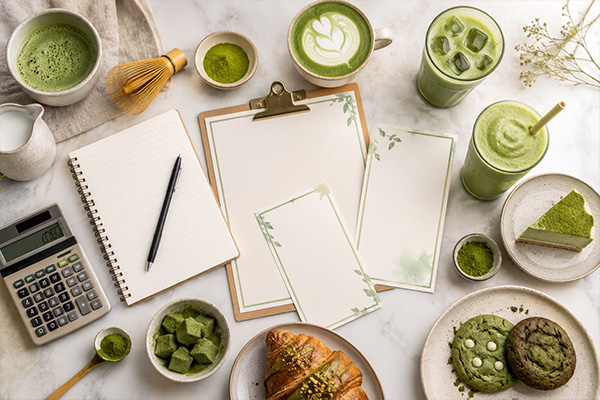
Adding matcha to your café menu is not only about following a beverage trend. For cafés and coffee shops, matcha can become a profitable menu category when it is planned with the right products, recipes, pricing, preparation workflow, and supplier support.
A strong matcha menu can help cafés attract non-coffee drinkers, increase average order value, create seasonal drinks, support plant-based options, and even open new retail opportunities through branded matcha products.
However, simply adding one matcha latte to the menu is not enough. To make matcha profitable, cafés need to choose the right matcha grade, design practical drink options, control cost per cup, train baristas, and build a menu that customers want to order again.
This guide explains how café owners, beverage managers, and coffee shop chains can build a profitable matcha menu with practical B2B sourcing and product development ideas.
Why Matcha Can Be a Profitable Café Category
Matcha works well in cafés because it fits naturally beside coffee, tea, milk drinks, iced beverages, smoothies, and seasonal specials.
For many customers, matcha offers something different from coffee. It has a distinctive green color, a smooth tea flavor, and strong visual appeal. It also pairs well with dairy milk, oat milk, fruit, vanilla, coconut, strawberry, chocolate, and other café ingredients.
For café businesses, matcha can support profitability in several ways:
- It expands the non-coffee beverage menu.
- It creates premium drink opportunities.
- It works in both hot and iced drinks.
- It pairs well with plant-based milk.
- It supports seasonal menu launches.
- It can be used in desserts and bakery items.
- It can become a retail product under the café’s own brand.
A profitable matcha menu is built by turning one ingredient into multiple drink and product opportunities.
Start with a Clear Matcha Menu Strategy
Before buying matcha or creating drinks, cafés should decide what role matcha will play in the menu.
Some cafés only need one reliable matcha latte. Others may want a full matcha drink section with hot drinks, iced drinks, fruit combinations, premium tea options, and retail matcha packs.
Three Common Café Matcha Strategies
| Strategy | Best For | Menu Goal |
|---|---|---|
| Simple Matcha Add-On | Small cafés testing demand | Add one or two matcha drinks with low complexity |
| Signature Matcha Menu | Specialty cafés and drink-focused shops | Create unique matcha drinks and seasonal specials |
| Matcha Product Category | Café chains or strong local brands | Build drinks, retail packs, and branded matcha products |
For a first launch, it is usually better to start with a focused menu instead of too many drinks. Once customer demand is clear, the café can expand into more flavors, sizes, and retail products.
Choose the Right Matcha for Menu Profitability
A café matcha menu should usually be built around latte-grade matcha. This grade is more suitable for daily drinks because it balances color, taste, milk performance, and cost per serving.
Latte Grade for Core Drinks
Latte-grade matcha is ideal for:
- Hot matcha latte
- Iced matcha latte
- Oat milk matcha latte
- Vanilla matcha latte
- Strawberry matcha latte
- Coconut matcha drinks
- Blended matcha drinks
For daily café service, the matcha should have enough flavor to stand out in milk without being too bitter.
Ceremonial Grade for Premium Menu Items
Ceremonial matcha can be used for higher-end drinks or special menu items.
It is suitable for:
- Straight matcha tea
- Premium matcha shot
- Matcha tasting set
- High-end café menu
- Retail tins or gift packs
Ceremonial matcha is usually not necessary for every latte because the cost per cup may be too high. A profitable menu often uses latte grade as the core and ceremonial grade as a premium option.
Grade Selection Table for Café Menus
| Menu Item | Recommended Matcha | Why |
|---|---|---|
| Daily hot matcha latte | Latte Grade | Good balance of taste, color, and cost |
| Iced matcha latte | Latte Grade | Stronger flavor after ice dilution |
| Oat milk matcha latte | Latte Grade | Works well with creamy plant-based milk |
| Premium straight matcha | Ceremonial Grade | Smoother taste and premium experience |
| Matcha tasting set | Ceremonial Grade | Better for storytelling and premium pricing |
| Café retail pouch | Latte or Ceremonial Grade | Depends on brand positioning |
Design a Menu Around Core, Premium, and Seasonal Drinks
A profitable matcha menu should not rely on only one drink. It should include a simple structure that helps customers choose easily and allows the café to increase order value.
Core Matcha Drinks
Core drinks are daily sellers. They should be easy to prepare, easy to train, and stable in cost.
Recommended core menu:
| Drink | Purpose |
|---|---|
| Hot Matcha Latte | Basic warm menu item |
| Iced Matcha Latte | High-demand cold drink |
| Oat Milk Matcha Latte | Plant-based option |
| Vanilla Matcha Latte | Sweeter beginner-friendly option |
These drinks can use the same latte-grade matcha, which helps simplify inventory and preparation.
Premium Matcha Drinks
Premium drinks allow cafés to charge more by offering better presentation, unique ingredients, or higher-grade matcha.
Examples:
- Ceremonial Matcha
- Premium Matcha Latte
- Matcha Tasting Flight
- Matcha with House-Made Cream
- Matcha Cloud Latte
- Matcha Coconut Cream Latte
Premium drinks do not need to sell in high volume to be valuable. They help improve the café’s image and give customers a reason to try something new.
Seasonal Matcha Drinks
Seasonal drinks create freshness and social media appeal.
Examples:
| Season | Drink Idea |
|---|---|
| Spring | Strawberry Iced Matcha Latte |
| Summer | Matcha Lemonade or Coconut Matcha Cooler |
| Autumn | Honey Oat Matcha Latte |
| Winter | White Chocolate Matcha Latte |
| Holiday Season | Matcha Cream Latte or Matcha Dessert Drink |
Seasonal drinks are useful because they let cafés promote matcha repeatedly without changing the full menu.
Calculate Cost Per Cup Before Setting Prices
A profitable matcha menu should be calculated by cost per cup, not only by matcha price per kilogram.
Basic Cost Per Cup Formula
Matcha Cost Per Cup = Matcha grams per drink × Matcha cost per gram
For example, if a drink uses 3g of matcha:
3g matcha × matcha cost per gram = matcha cost per drink
But the full drink cost should also include:
- Milk or plant-based milk
- Syrup or sweetener
- Ice
- Cup and lid
- Labor
- Toppings
- Waste
- Delivery platform commission if applicable
Why Cost Per Cup Matters
A matcha that looks more expensive per kilogram may still be more profitable if it creates a better drink, supports a higher selling price, and improves customer repeat orders.
A very cheap matcha may reduce ingredient cost, but if the drink looks dull, tastes harsh, or creates complaints, it can damage the menu.
Practical Café Pricing Thinking
| Drink Type | Cost Focus | Pricing Opportunity |
|---|---|---|
| Standard matcha latte | Control ingredient cost | Daily repeat sales |
| Iced matcha latte | Manage ice and milk dilution | Strong visual appeal |
| Oat milk matcha latte | Higher milk cost | Premium plant-based pricing |
| Seasonal matcha drink | Added ingredients | Higher limited-time price |
| Ceremonial matcha drink | Higher matcha cost | Premium experience pricing |
Improve Barista Workflow for Better Profitability
Profitability is not only about ingredient cost. Preparation time also matters.
If a matcha drink takes too long to prepare, it may slow down service during peak hours. A good matcha menu should be designed for real café operations.
Make Preparation Simple
A practical workflow may include:
- Pre-measured matcha dosage.
- Small amount of warm water to dissolve powder.
- Whisk, shake, or blend into a smooth base.
- Add milk, ice, or other ingredients.
- Serve with consistent presentation.
Standardize Recipes
Every drink should have a fixed recipe card:
| Item | What to Standardize |
|---|---|
| Matcha amount | 2g, 2.5g, or 3g per drink |
| Water amount | Small base for dissolving |
| Milk amount | According to cup size |
| Sweetener | Fixed pump count or grams |
| Ice level | For iced drinks |
| Preparation method | Whisk, shaker, or blender |
| Presentation | Layered, mixed, topped, or dusted |
Recipe standardization helps reduce waste, improve training, and keep drinks consistent across different baristas.
Use Matcha to Increase Average Order Value
A matcha menu can do more than add one drink. It can help cafés increase average order value through upsells and bundles.
Practical Upsell Ideas
- Add oat milk upgrade.
- Add vanilla, strawberry, honey, or coconut flavor.
- Offer a premium ceremonial upgrade.
- Add matcha cold foam.
- Pair matcha drinks with bakery items.
- Sell retail matcha pouches at checkout.
- Create a matcha drink + dessert combo.
Example Menu Bundle
Iced Matcha Latte + Matcha Cookie
Hot Matcha Latte + Croissant
Premium Matcha Shot + Dessert Pairing
Matcha Latte + 100g Retail Matcha Pouch
These bundles help cafés use matcha across both beverage and food categories.
Build a Matcha Menu for Different Customer Types
Not all customers order matcha for the same reason. A profitable menu should include options for different preferences.
For Coffee Alternatives
These customers want a non-coffee drink that still feels premium.
Recommended drinks:
- Hot Matcha Latte
- Iced Matcha Latte
- Oat Milk Matcha Latte
For Sweet Drink Customers
These customers may be new to matcha and prefer a softer flavor.
Recommended drinks:
- Vanilla Matcha Latte
- Strawberry Matcha Latte
- White Chocolate Matcha Latte
For Premium Tea Customers
These customers care more about taste, grade, and experience.
Recommended drinks:
- Ceremonial Matcha Tea
- Premium Matcha Shot
- Matcha Tasting Set
For Social Media Customers
These customers are attracted by color and presentation.
Recommended drinks:
- Layered Iced Matcha Latte
- Strawberry Matcha Latte
- Matcha Cream Latte
- Matcha Coconut Cooler
A good matcha menu should not be built for only one type of customer.
Café Case Example: From One Matcha Latte to a Full Menu
A small specialty café wanted to add matcha but was unsure whether customers would accept it. Instead of launching too many drinks, the café started with three items:
- Hot Matcha Latte
- Iced Matcha Latte
- Oat Milk Matcha Latte
The café tested two latte-grade matcha samples and selected the one that had better color in milk and a smoother finish with oat milk. After one month, the iced matcha latte became a strong afternoon drink.
The café then added two seasonal drinks:
- Strawberry Iced Matcha Latte
- Vanilla Matcha Latte
Later, the café introduced a 100g retail matcha pouch for customers who wanted to prepare matcha at home.
This step-by-step approach helped the café reduce launch risk, train staff more easily, and build matcha into a profitable menu category.
Café Chain Case Example: Standardizing Matcha Across Stores
A small café chain needed matcha that could be used across multiple locations. The main problem was inconsistency. Different stores used different amounts of powder, water, and milk, which caused customer complaints about color and taste.
The solution included:
- One approved latte-grade matcha
- 1kg foodservice packaging
- Standard drink recipes
- Barista preparation instructions
- Monthly usage calculation
- Repeat supply planning
After standardizing the recipes, the chain could control cost per cup more clearly and keep customer experience more consistent across locations.
For café chains, the supplier’s ability to provide stable batches and repeat supply is just as important as the first sample quality.
Matcha Menu Ideas for Cafés
Here is a practical matcha menu structure cafés can use as inspiration.
| Menu Category | Drink Ideas |
|---|---|
| Core Drinks | Hot Matcha Latte, Iced Matcha Latte, Oat Milk Matcha Latte |
| Sweet Drinks | Vanilla Matcha Latte, Honey Matcha Latte, White Chocolate Matcha Latte |
| Fruit Drinks | Strawberry Matcha Latte, Mango Matcha Smoothie, Matcha Lemonade |
| Premium Drinks | Ceremonial Matcha Tea, Matcha Shot, Premium Matcha Latte |
| Seasonal Drinks | Coconut Matcha Cooler, Matcha Cream Latte, Holiday Matcha Latte |
| Food Pairings | Matcha Cookie, Matcha Cake, Matcha Croissant, Matcha Dessert Cup |
| Retail Products | 100g Matcha Pouch, Matcha Tin, Matcha Starter Kit |
A profitable menu does not need all of these at once. Cafés can start with the core drinks and expand based on customer response.
How to Plan Matcha Inventory for Your Café
Inventory planning helps cafés avoid two problems: running out of matcha during sales peaks or storing too much powder for too long.
Monthly Usage Formula
Monthly Matcha Usage = Matcha per drink × Drinks sold per day × Operating days per month
Example Usage Table
| Drinks Per Day | Matcha Per Drink | Monthly Usage, 26 Days |
|---|---|---|
| 20 drinks | 3g | 1.56kg |
| 50 drinks | 3g | 3.9kg |
| 100 drinks | 3g | 7.8kg |
| 200 drinks | 3g | 15.6kg |
A café selling around 50 matcha drinks per day may need about 4kg per month. A café chain with multiple locations should calculate usage by store and plan reorder timing in advance.
Common Mistakes When Building a Matcha Menu
Mistake 1: Adding Only One Basic Matcha Latte
One drink may not fully show matcha’s potential. A small structure with hot, iced, oat milk, and seasonal options can create better sales opportunities.
Mistake 2: Choosing Matcha Only by Price
Cheap matcha may reduce ingredient cost but can hurt drink quality. For cafés, color, milk performance, taste, and preparation speed matter.
Mistake 3: Using Ceremonial Grade for All Drinks
Ceremonial matcha can be excellent, but using it for every latte may increase cost unnecessarily. Latte grade is usually more practical for daily café service.
Mistake 4: Not Training Baristas
Without recipe cards and preparation standards, drinks may vary from person to person.
Mistake 5: Ignoring Plant-Based Milk Testing
Oat milk, soy milk, and almond milk can change matcha’s taste and color. Cafés should test matcha with the milk actually used in-store.
Mistake 6: Not Creating Seasonal Specials
Seasonal drinks help cafés promote matcha repeatedly and keep the menu fresh.
How MatchaOEMFactory Helps Cafés Build Profitable Matcha Menus
MatchaOEMFactory supports cafés, coffee shops, beverage chains, and foodservice buyers with practical matcha solutions for daily operations and menu growth.
We can help your café with:
- Latte-grade matcha for daily café drinks
- Ceremonial matcha for premium menu items
- Sample testing for hot, iced, and oat milk drinks
- Grade comparison based on your menu needs
- 500g and 1kg café-friendly packaging options
- Bulk and wholesale matcha supply
- COA and specification support
- Repeat-order planning for stable supply
- Private label matcha pouches and tins for café retail sales
- Custom matcha solutions for seasonal drinks or branded menus
Our team can help you choose matcha based on real café use, not only powder appearance. Whether you are adding your first matcha latte or building a full matcha menu, we can recommend suitable grades, arrange samples, and prepare a tailored quotation.
FAQ
What matcha is best for a profitable café menu?
Latte-grade matcha is usually the best core option because it balances cost, color, taste, and milk performance for daily drinks.
Should my café offer ceremonial matcha?
Yes, if you want to create premium menu items or retail products. However, it is usually better to use ceremonial matcha selectively rather than for every latte.
How many matcha drinks should a café start with?
A good starting menu may include hot matcha latte, iced matcha latte, oat milk matcha latte, and one seasonal or flavored matcha drink.
How much matcha should I use per drink?
Many cafés start with 2g–3g per drink, depending on cup size, milk type, sweetness, and desired flavor strength.
How can matcha increase café sales?
Matcha can attract non-coffee customers, support plant-based drinks, create premium pricing opportunities, and add seasonal drinks or retail products.
Can cafés sell private label matcha?
Yes. Cafés can sell branded matcha pouches, tins, or starter kits, especially if customers already like the café’s matcha drinks.
Ready to Build a Profitable Matcha Menu?
A profitable matcha menu starts with the right grade, clear recipes, practical packaging, consistent preparation, and reliable supply.
MatchaOEMFactory helps cafés and coffee shops test matcha samples, compare latte and ceremonial grades, calculate menu needs, and develop café-friendly matcha products for drinks and retail sales.
Share your menu idea, target customer, expected monthly usage, and packaging needs. Our team can recommend suitable matcha options and prepare a tailored quotation for your café.