
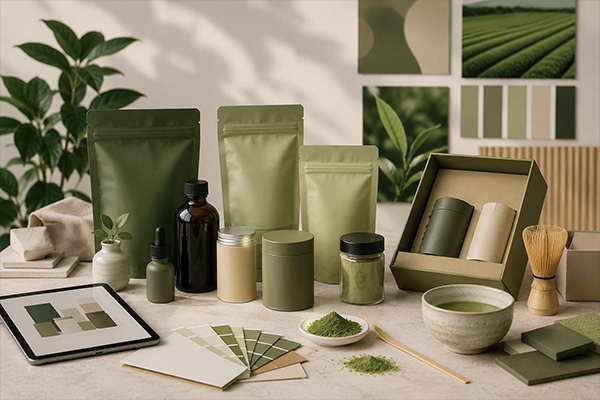
A strong matcha brand is rarely built from one random product. For many brand owners, the bigger opportunity is to build a clear product line that serves different customers, usage occasions, price points, and sales channels.
A matcha product line can include ceremonial matcha, latte-grade matcha, organic matcha, café-style pouches, sachets, starter kits, foodservice packs, seasonal flavors, and gift sets. But adding more products does not automatically make a brand stronger. If the product line is not planned carefully, it can create inventory pressure, confuse customers, increase MOQ, and make marketing harder.
This guide explains how brand owners can build a matcha product line with a clear structure, practical SKU planning, and scalable sourcing support.
Why a Matcha Product Line Needs Structure
Many brands expand too quickly. They launch several matcha products because they want to look complete, but customers may not understand the difference between each SKU.
A weak product line often looks like this:
- Too many similar pouches
- No clear difference between grades
- Confusing product names
- Similar prices across different products
- No clear “starter” product
- No premium upsell
- No repeat-purchase format
- No channel-specific packaging
A strong product line works differently. Each product has a clear role.
A good matcha product line should help customers answer:
Which product is best for me?
Why is this one more expensive?
Which one should I buy first?
Which one is for lattes?
Which one is premium?
Which one is for daily use?
Which one is a gift?
Which one should I reorder?
For B2B brand owners, product line planning is not only about selling more SKUs. It is about building a product architecture that makes buying decisions easier.
Think in Product Roles, Not Just Product Types
Instead of asking, “How many matcha products should we launch?”, brand owners should ask, “What role should each product play?”
A matcha product line usually needs several types of roles.
Entry Product
This is the easiest product for new customers to buy.
It should be:
- Easy to understand
- Reasonably priced
- Simple to prepare
- Suitable for broad use
- Low-risk for first-time buyers
Example:
100g Latte Matcha Pouch
This product can attract customers who want to make matcha lattes at home.
Core Product
This is the product that supports repeat purchase and stable sales.
It should be:
- Practical for daily use
- Consistent in quality
- Easy to restock
- Strong enough for your main audience
Example:
Daily Latte Matcha 100g / 250g Pouch
Premium Product
This product gives your brand a higher-end option and improves perceived value.
It should be:
- Better grade
- Better packaging
- Higher price
- Stronger story
- Suitable for gifting or premium buyers
Example:
Ceremonial Matcha Tin
Convenience Product
This product is designed for easy use and portability.
Examples:
Single-Serve Matcha Sachets
Matcha Stick Packs
Travel Matcha Packs
Bundle or Kit Product
This helps increase order value and supports beginner customers.
Examples:
Matcha Starter Kit
Iced Matcha Latte Kit
Matcha Gift Set
Foodservice or B2B Product
This product serves cafés, restaurants, beverage shops, and distributors.
Examples:
500g Café Matcha Pouch
1kg Latte-Grade Matcha Bag
Foodservice Matcha Pack
A strong product line does not need all of these on day one. But it should have a clear direction for expansion.
Build a Product Ladder
A product ladder helps customers move from entry-level purchase to higher-value products.
For matcha brands, a simple ladder may look like this:
| Product Level | Product Example | Customer Purpose |
|---|---|---|
| Entry | 50g or 100g latte matcha pouch | First purchase and home trial |
| Core | 100g or 250g daily matcha pouch | Regular repeat use |
| Premium | Ceremonial matcha tin | Higher-end drinking or gifting |
| Convenience | Sachets or stick packs | Travel, office, portion control |
| Bundle | Starter kit or latte kit | Higher order value and beginner education |
| B2B Pack | 500g or 1kg café pack | Foodservice or wholesale customers |
This structure helps your brand avoid random product expansion. Each SKU has a reason to exist.
Example Product Ladder
Starter Matcha Pouch → Daily Latte Matcha → Ceremonial Tin → Matcha Starter Kit → 1kg Café Pack
This gives the brand a path for different buyers:
- New customers can try the starter pouch.
- Daily users can reorder the core pouch.
- Premium buyers can choose the ceremonial tin.
- Beginners can buy the kit.
- Cafés can order the foodservice pack.
Decide Which Product Line Model Fits Your Brand
Not every brand should build the same matcha product line. The right model depends on your audience, channel, and brand positioning.
Model 1: Café-at-Home Product
This model is suitable for brands targeting customers who want to make café-style matcha drinks at home.
Possible SKUs:
- Latte-grade matcha pouch
- Iced matcha latte kit
- Oat milk matcha guide
- Einzelportionsbeutel
- Matcha starter kit
Main selling angle:
Make smooth café-style matcha drinks at home.
Best channels:
- Shopify
- Amazon
- Social media stores
- Café retail shelves
- Subscription boxes
Model 2: Premium Tea Product
This model is suitable for brands focused on quality, taste, and traditional preparation.
Possible SKUs:
- Ceremonial matcha tin
- Premium matcha pouch
- Matcha tasting set
- Matcha bowl and whisk set
- Limited edition matcha
Main selling angle:
A premium matcha experience for tea lovers.
Best channels:
- Specialty tea shops
- Premium e-commerce
- Gift stores
- High-end cafés
- Retail boutiques
Model 3: Wellness Product
This model is suitable for wellness, nutrition, and clean-label brands.
Possible SKUs:
- Organic matcha pouch
- Matcha sachets
- Matcha-Smoothie-Pulver
- Matcha-Superfood-Mischung
- Daily green tea powder
Main selling angle:
A plant-based green tea powder for modern daily routines.
Best channels:
- Wellness stores
- Organic retailers
- E-commerce
- Subscription brands
- Functional food channels
Model 4: Foodservice and Wholesale Product
This model is suitable for brands or distributors serving cafés, restaurants, beverage shops, and food manufacturers.
Possible SKUs:
- 500g café pack
- 1kg latte-grade bag
- 5kg bulk pack
- Culinary matcha for bakery
- Organic matcha for premium cafés
Main selling angle:
Reliable matcha supply for commercial use.
Best channels:
- Cafés
- Restaurants
- Vertriebspartner
- Foodservice suppliers
- Beverage chains
Model 5: Hybrid Retail + B2B Product
Some brands may want both consumer retail products and business supply products.
Example structure:
| Retail Product | B2B Product |
|---|---|
| 100g latte pouch | 1kg café bag |
| 30g ceremonial tin | 500g premium café pack |
| Starter kit | Foodservice training pack |
| Sachets | Bulk sachet carton |
This model can work well for café brands, wholesalers, and private label companies that sell to both consumers and business customers.
Product Line Planning Matrix
Before developing multiple SKUs, use a product line matrix to check whether each product has a different role.
| SKU | Target Customer | Usage Scenario | Verpackung | Preisniveau | Product Role |
|---|---|---|---|---|---|
| 100g Latte Matcha | Home users | Daily lattes | Pouch | Medium | Core product |
| 30g Ceremonial Matcha | Premium buyers | Traditional tea | Tin | High | Premium product |
| Matcha Starter Kit | Beginners | First matcha experience | Gift box | High | Bundle product |
| Matcha Sachets | Busy users | Travel and office | Sachet box | Medium-high | Convenience product |
| 1kg Café Matcha | Cafés | Daily drink service | Foil bag | B2B pricing | Foodservice product |
If two products have the same target customer, same use case, same price, and same packaging, they may be too similar. In that case, you may need to remove one or reposition it.
Start Small, Expand with Data
A matcha product line should grow from market feedback. New brands should not try to launch a complete range before knowing what customers actually buy.
Phase 1: Launch One Core Product
Start with a product that matches your clearest customer need.
Examples:
- 100g latte matcha pouch
- 30g ceremonial tin
- Organic matcha pouch
- Starter kit for beginners
Goal:
Validate demand and collect customer feedback.
Phase 2: Add One Complementary Product
After the first product performs well, add a second SKU that solves a different customer need.
Examples:
- Add ceremonial tin after latte pouch
- Add starter kit after pouch
- Add sachets after regular pouch
- Add 1kg café pack after retail pouch
Goal:
Increase average order value and serve a new usage scenario.
Phase 3: Build a Complete Line
Once sales and feedback are stable, expand into a more complete product architecture.
Examples:
- Daily latte pouch
- Premium ceremonial tin
- Organic pouch
- Starter kit
- Sachets
- Foodservice pack
Goal:
Build customer segments and repeat purchase paths.
Avoid SKU Cannibalization
SKU cannibalization happens when two products compete against each other instead of serving different customer needs.
Zum Beispiel:
Product A: 100g premium matcha pouch
Product B: 100g ceremonial matcha pouch
Product C: 100g organic premium matcha pouch
If the differences are not clear, customers may not understand which one to buy.
How to Avoid Cannibalization
Make sure every SKU has a clear difference in at least one of these areas:
- Klasse
- Usage scenario
- Packaging format
- Price level
- Target customer
- Channel
- Net weight
- Certification
- Product story
Better Product Structure Example
| Product | Clear Difference |
|---|---|
| Daily Latte Matcha 100g | For home lattes |
| Ceremonial Matcha Tin 30g | For premium tea preparation |
| Organic Matcha 100g | For clean-label consumers |
| Matcha Starter Kit | For beginners |
| 1kg Café Matcha | For foodservice buyers |
This structure makes product choice easier.
Create Naming That Helps Customers Choose
Product naming is an important part of product line strategy. Generic names can make your product line harder to understand.
Weak Naming Example
Matcha Powder A
Premium-Matcha
Bio-Matcha
High Quality Matcha
Super Matcha
These names do not clearly explain who the product is for.
Stronger Naming Example
Daily Latte Matcha
Ceremonial Matcha Tin
Organic Matcha for Smoothies & Lattes
Café Matcha 1kg
Beginner Matcha Starter Kit
Better names help customers understand:
- Use case
- Quality level
- Packaging format
- Target audience
- Price reason
For e-commerce, clear product names also help product pages, category pages, and SEO.
Plan Packaging as a Product Line System
Packaging should not be designed one SKU at a time with no connection. A product line should look like a family.
What Should Stay Consistent
Across the product line, keep consistent:
- Logo placement
- Brand colors
- Typography
- Layout structure
- Product photography style
- Icon style
- Information hierarchy
What Should Change by SKU
Differentiate SKUs with:
- Color accents
- Grade name
- Net weight
- Usage icons
- Packaging format
- Product title
- Preparation method
Example Packaging System
| SKU | Main Color Accent | Verpackungsformat |
|---|---|---|
| Daily Latte Matcha | Soft green | Stand-up pouch |
| Ceremonial Matcha | Deep green / gold | Tin |
| Bio-Matcha | Natural green / kraft | Pouch |
| Starter Kit | Brand color + white | Gift box |
| Café Matcha 1kg | Clean white + green | Foodservice bag |
This gives customers a consistent brand experience while making products easy to distinguish.
Build Product Lines by Sales Channel
Different channels need different product structures.
E-Commerce Product Line
E-commerce customers need clear choices and strong visuals.
Recommended structure:
- Core pouch
- Starter kit
- Sachet pack
- Bundle offer
- Subscription refill
Useful tactics:
- Product comparison table
- Recipe photos
- Beginner guide
- Reorder discount
- Bundle pricing
Café Retail Product Line
Café customers already trust the drink experience. Retail products should connect to the café menu.
Recommended structure:
- Same matcha used in café drinks
- 100g retail pouch
- Iced matcha latte kit
- Gift set
- Seasonal limited edition
Useful tactics:
- “Make our café matcha at home”
- QR code to recipe video
- Drink recipe card
- Retail display near counter
Distributor Product Line
Distributors need products that can serve different business buyers.
Recommended structure:
- 1kg latte-grade matcha
- 5kg culinary matcha
- Organic matcha option
- Retail pouch option
- Sample pack for clients
Useful tactics:
- Clear carton labeling
- Product specification sheet
- Price tier by quantity
- Stable repeat supply
Retail Store Product Line
Retail shelves need simple product architecture.
Recommended structure:
- Entry pouch
- Premium tin
- Organic pouch
- Gift kit
Useful tactics:
- Clear front label
- Strong usage message
- Good shelf color contrast
- Simple product hierarchy
Product Line Expansion Ideas
Once your first products are validated, you can expand carefully.
Expansion by Grade
- Latte matcha
- Ceremonial matcha
- Culinary matcha
- Bio-Matcha
Expansion by Format
- Pouch
- Tin
- Sachet
- Stick pack
- Starter kit
- Gift box
- 1kg foodservice bag
Expansion by Use Case
- Matcha for lattes
- Matcha for smoothies
- Matcha for baking
- Matcha for traditional tea
- Matcha for café service
Expansion by Customer Segment
- Beginners
- Premium tea drinkers
- Café-at-home customers
- Wellness consumers
- Foodservice-Einkäufer
- Retail gift buyers
Expansion by Season
- Spring strawberry matcha kit
- Summer iced matcha pack
- Holiday matcha gift box
- New year wellness matcha bundle
Seasonal products are useful because they create marketing opportunities without changing the whole product line.
Inventory and MOQ Planning for Product Lines
A product line can increase sales opportunities, but it also increases operational pressure.
Before adding a new SKU, consider:
- MOQ
- Packaging MOQ
- Storage space
- Haltbarkeit
- Cash flow
- Sales forecast
- Reorder timing
- Channel demand
- Packaging lead time
- Marketing support
SKU Planning Table
| Question | Warum das wichtig ist |
|---|---|
| Does this SKU serve a new customer need? | Prevents unnecessary product overlap |
| Can we explain the difference clearly? | Helps customers choose |
| Can we meet MOQ comfortably? | Reduces inventory pressure |
| Can this product sell through our current channel? | Avoids slow-moving stock |
| Can we reorder the same grade consistently? | Supports long-term sales |
| Does packaging support the price point? | Protects brand value |
| Does the SKU increase average order value? | Improves profitability |
A strong product line is not the largest product line. It is the clearest and most commercially useful one.
Case Example: Building a Matcha Product Line Step by Step
A café-style e-commerce brand wanted to build a matcha product line. At first, the brand considered launching five products:
- Ceremonial matcha
- Latte matcha
- Bio-Matcha
- Matcha sachets
- Starter kit
After reviewing budget, MOQ, and customer focus, the brand decided to launch only one core product first:
Daily Latte Matcha 100g Pouch
The product focused on iced matcha lattes and oat milk drinks. The brand used preparation instructions, recipe content, and clean packaging to make the product easy to understand.
After receiving positive customer feedback, the brand added:
Beginner Matcha Starter Kit
This helped increase average order value and served customers who needed tools and instructions.
The third product was:
Ceremonial Matcha Tin
This gave the brand a premium upsell option.
Later, the brand created:
1kg Café Matcha Pack
This allowed the business to serve small cafés and foodservice buyers.
The final product line had a clear structure:
| Stage | Product | Role |
|---|---|---|
| First launch | Daily Latte Matcha 100g | Core repeat product |
| Second SKU | Beginner Starter Kit | Bundle and education product |
| Third SKU | Ceremonial Tin | Premium upsell |
| Fourth SKU | 1kg Café Pack | B2B expansion |
This step-by-step approach reduced risk and helped the brand grow based on real demand.
Common Mistakes When Building a Matcha Product Line
Mistake 1: Launching Too Many Products Too Early
More SKUs increase cost, packaging complexity, and inventory risk. Start focused, then expand.
Mistake 2: Creating Products with No Clear Difference
If customers cannot explain the difference between two products, one of them may be unnecessary.
Mistake 3: Using Packaging Design Without Product Logic
A beautiful product line still needs clear grade, use case, and price structure.
Mistake 4: Ignoring Channel Differences
A product for Amazon may not work for cafés. A café pack may not work on retail shelves. Match format to channel.
Mistake 5: Forgetting Reorder Strategy
Product lines need repeat supply. Do not build a SKU around a grade or packaging format that is difficult to restock.
Mistake 6: Expanding Before Customer Feedback
Use customer reviews, reorder rate, questions, and sales data to decide the next product.
How MatchaOEMFactory Supports Product Line Development
MatchaOEMFactory helps brand owners build matcha product lines based on customer use, channel strategy, packaging needs, and long-term supply planning.
We support:
- Matcha grade selection for different product roles
- Latte, ceremonial, culinary, and organic matcha options
- Bulk matcha samples for product comparison
- Private label pouch, tin, sachet, kit, and foodservice packaging
- Product line planning for retail, e-commerce, cafés, and distributors
- MOQ and packaging planning
- Unterstützung bei Konformitätsbewertung und Spezifikationen
- Custom matcha product development
- Repeat-order supply planning
- Exportfähige Dokumentation
Whether you are starting with one private label matcha pouch or building a full product line for retail and B2B channels, our team can help you compare practical options and prepare a sourcing plan.
Häufig gestellte Fragen
How many matcha products should a new brand launch first?
Most new brands should start with one strong core product. After collecting customer feedback and sales data, they can expand into kits, tins, sachets, or foodservice packs.
What is the best first matcha product for a brand?
It depends on the target customer. A café-at-home brand may start with a 100g latte-grade pouch, while a premium tea brand may start with a ceremonial tin.
How can I make my matcha product line easier to understand?
Use clear product names, different packaging formats, obvious use cases, and a simple product comparison table.
Should a matcha product line include both retail and B2B packs?
It can, especially for café brands, distributors, and private label companies. Retail packs serve consumers, while 500g or 1kg packs can serve cafés and foodservice buyers.
When should I add a second SKU?
Add a second SKU when your first product has clear demand and customers show interest in another use case, such as a starter kit, premium tin, sachets, or larger refill size.
Can MatchaOEMFactory help plan a full matcha product line?
Yes. MatchaOEMFactory can help with grade comparison, packaging formats, sample testing, MOQ planning, and product line development for retail and B2B channels.
Ready to Build a Matcha Product Line for Your Brand?
A successful matcha product line should be clear, scalable, and easy for customers to understand. Each SKU should serve a specific role, from first purchase to repeat order, premium upsell, convenience format, or B2B supply.
MatchaOEMFactory helps brand owners develop private label matcha product lines with grade selection, sample testing, packaging planning, MOQ support, and repeat-order supply.
Share your brand positioning, target channel, first product idea, and future product line goals. Our team can help you compare matcha options and prepare a tailored quotation.