
Milk or Beverage Base
Dairy, oat, almond, coconut, water-based, premix, or RTD systems can change perceived flavor and color.
Choose matcha around the drink you will actually serve—not only a grade name. We support cafés, beverage chains, hospitality groups, and drink brands with application-matched samples and stable bulk supply.
Share the milk or beverage base, cup size, dosage, preparation method, target color, and serving cost so the sample plan reflects real service conditions.
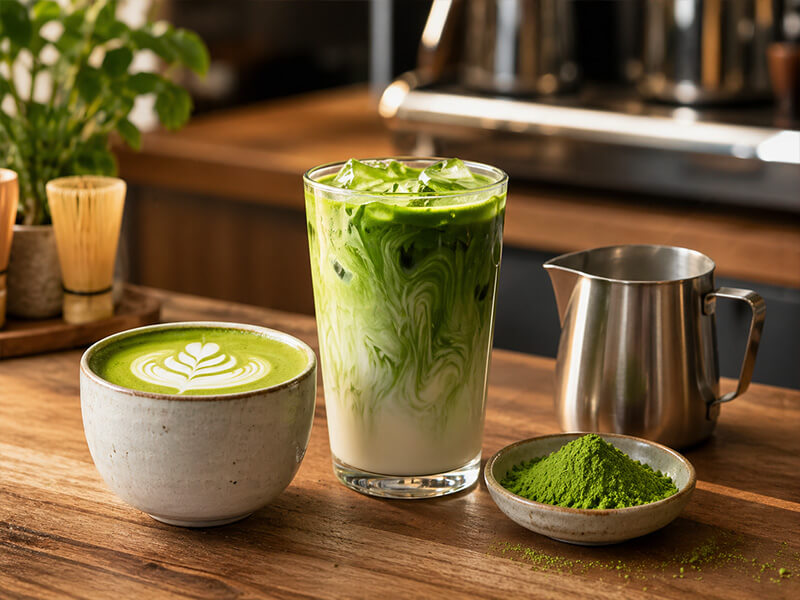

This is a testing framework rather than a fixed performance claim. Use the same preparation method and dosage when comparing samples.
| Beverage Base | Key Test | Buying Question |
|---|---|---|
| Dairy Milk | Tea intensity, sweetness balance, finished color | Does the matcha remain distinct without excessive dosage? |
| Oat Milk | Body, natural sweetness, aftertaste | Does the tea profile stay clean and balanced? |
| Almond or Nut Milk | Aroma interaction, bitterness, finish | Do nutty notes support or mask the matcha? |
| Water-Based Iced Drinks | Dispersion, brightness, flavor clarity | Does the product remain appealing without milk? |
| Custom Premix or RTD Base | Sedimentation, process fit, target cost | Is further formulation testing required before approval? |
The same menu concept may require a different grade, dosage, packaging format, or supply plan depending on service volume and operating model.
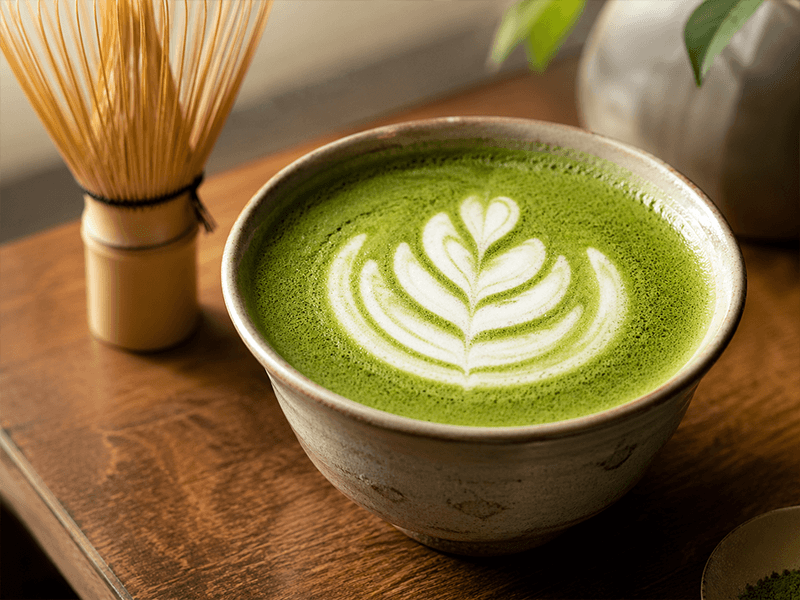
Flexible sample comparison for signature drinks, premium positioning, and menu differentiation.
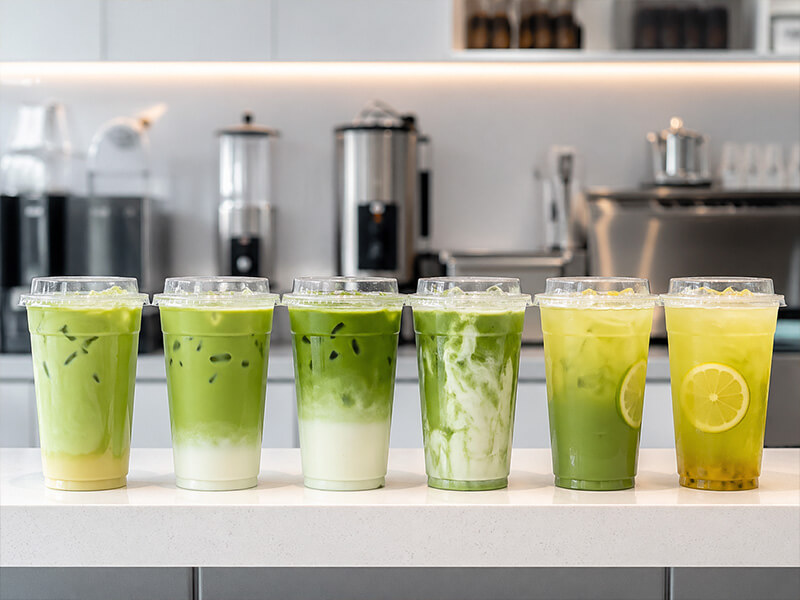
Repeatable color, flavor, preparation standards, and supply planning across multiple locations.
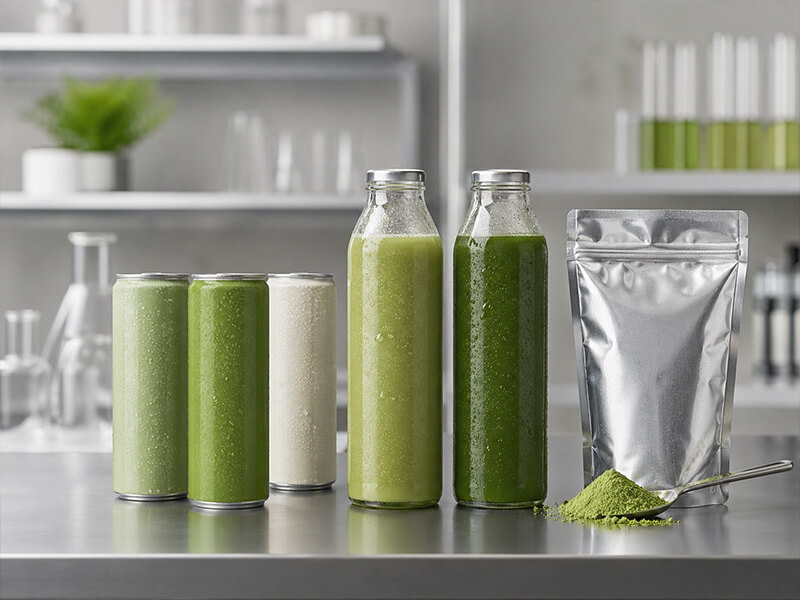
Ingredient review, formulation trials, process compatibility, specifications, and production-scale planning.
A repeatable drink program depends on more than the powder. Standardize dosage, water temperature, mixing, milk ratio, ice, sweetener, and holding time before comparing locations or staff performance.

Share milk type, drink size, recipe, sweetness, preparation method, expected volume, and price position.
Compare only the most relevant product directions rather than unrelated grades.
Use the same recipe, equipment, dosage, and evaluation criteria for every sample.
Confirm the grade, COA, bulk format, pricing, delivery plan, and repeat-order schedule.
Confirm the current document and certification scope for the selected product before menu claims, packaging, or production are approved.
Certificates apply only to confirmed products, operators, production scopes, markets, and transactions. Request current copies before using claims or approving artwork.
Review Certification Details

There is no universal answer because oat milk brands vary in sweetness, fat, body, and flavor. Test several suitable samples in the exact oat milk and recipe used in service.
Use one fixed recipe, dosage, water temperature, mixing method, milk ratio, sweetener, ice level, and evaluation form. Compare finished drinks rather than dry powder alone.
Calculate cost using the lowest practical dosage that still reaches the approved taste and color. A lower-priced powder may require more grams per cup and may not reduce the real serving cost.
Bulk matcha orders generally start from 10 kg per grade. Retail packs, printed pouches, sachets, and custom blends have separate minimums.
Yes. Supply planning can include approved specifications, bulk formats, preparation guidelines, shipment scheduling, and repeat-order coordination.
Share the beverage base, cup size, preparation method, target serving cost, and expected monthly volume. We’ll prepare a focused product direction.