
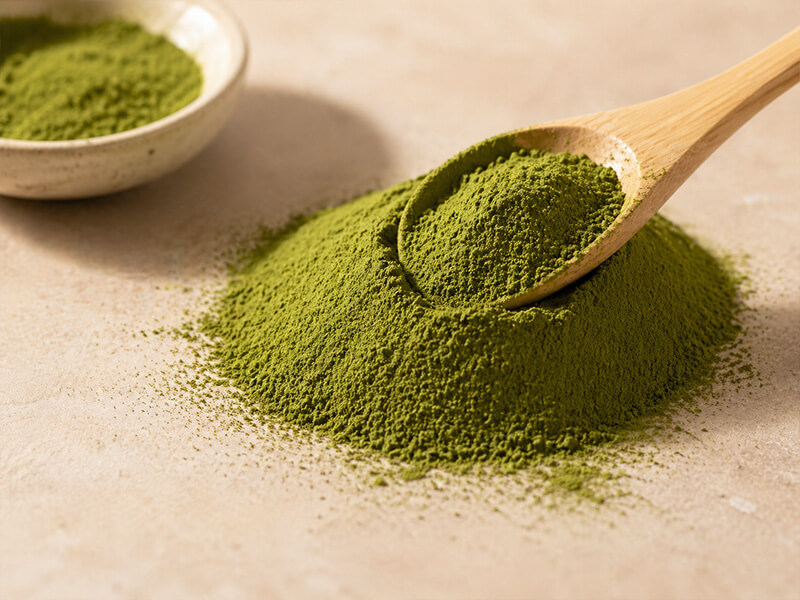
Bulk matcha refers to matcha green tea powder purchased in larger quantities for commercial, wholesale, manufacturing, foodservice, or private-label use. Instead of buying small retail tins or pouches, businesses purchase matcha in bulk to support consistent production, reduce per-unit cost, and secure a stable supply for drinks, desserts, supplements, packaged foods, cosmetics, or branded products.
For cafés, beverage brands, bakeries, restaurants, manufacturers, and wellness companies, bulk matcha is not simply “cheaper matcha.” It can include a wide range of quality levels, from culinary grade to premium and ceremonial grade, depending on how the matcha will be used. The most important factor is choosing the right grade, origin, flavor profile, and supplier for your business needs.
Why Buy Matcha in Bulk?
The most obvious reason to buy bulk matcha is cost efficiency. Matcha purchased in large quantities usually has a lower price per serving than retail matcha. This matters for businesses that use matcha daily in lattes, smoothies, baked goods, ice cream, chocolate, ready-to-drink beverages, or packaged mixes.
However, price is only one benefit. Bulk purchasing also helps businesses achieve:
- More consistent flavor and color across batches
- Better control over ingredient sourcing
- Stable inventory for seasonal demand
- Custom blending opportunities
- Packaging flexibility for private label products
- Stronger supplier relationships and volume-based pricing
High-quality bulk matcha should still offer freshness, vibrant color, smooth texture, and reliable performance. A good supplier should be able to recommend the right matcha based on whether you are making beverages, desserts, supplements, or retail products.
Bulk Matcha vs. Retail Matcha
Retail matcha is usually sold in small containers for individual consumers. It is often packaged in tins, jars, or pouches designed for home use. Bulk matcha, on the other hand, is packaged for commercial buyers and may come in larger sealed bags, cartons, or custom packaging formats.
The difference is mainly in quantity, pricing, logistics, and intended use. Bulk matcha is not automatically lower quality. In fact, businesses can purchase many different grades in bulk, including ceremonial matcha for premium drinks and culinary matcha for recipes or manufacturing.
For example, a specialty café may choose a smooth, vibrant, latte-friendly matcha with low bitterness. A bakery may prefer a stronger culinary matcha that holds its flavor and color when mixed into dough, cream, or chocolate. A supplement brand may need matcha with specific documentation, testing, and certifications.
Common Uses for Bulk Matcha
Bulk matcha is used across many industries because it is versatile, visually appealing, and associated with wellness-focused products. Common applications include:
Matcha lattes, iced matcha drinks, smoothies, frappes, bubble tea, energy drinks, protein powders, chocolate, cookies, cakes, pastries, ice cream, mochi, cereals, snack bars, drink mixes, supplements, skincare products, and private-label tea lines.
Food and beverage businesses often choose matcha because it gives products a natural green color, a distinctive earthy flavor, and a premium image. Matcha is also made from finely ground green tea leaves, which means consumers are drinking or eating the whole tea leaf rather than only an infusion. Matcha is widely studied for its chemical composition and potential health-related properties, including catechins and other plant compounds.
How to Choose the Right Bulk Matcha
Choosing bulk matcha depends on your product, target customer, budget, and quality expectations. A matcha that works well in a latte may not be the best option for baking, and a ceremonial matcha may be too delicate or expensive for large-scale food manufacturing.
When comparing suppliers, consider these factors:
Origin: Japanese matcha, especially from established tea-growing regions, is often preferred for premium applications. Be careful with products marketed vaguely as “green tea powder,” because not all green tea powder is true matcha.
Grade: Ceremonial grade is often used for traditional preparation or premium beverages. Culinary grade is commonly used for lattes, desserts, and recipes. Ingredient-grade matcha may be suitable for large-scale manufacturing where matcha is blended with other ingredients.
Color: Good matcha typically has a bright green appearance. Dull, yellowish, or brownish powder may indicate lower quality, age, poor storage, or improper processing.
Flavor: Depending on the grade, matcha can be smooth, grassy, umami-rich, slightly sweet, or more bold and bitter. The right flavor depends on how it will be used.
Texture: Matcha should be finely ground and easy to whisk, blend, or incorporate into recipes.
Freshness and storage: Matcha is sensitive to heat, light, moisture, and oxygen. Bulk matcha should be packaged and stored carefully to preserve color, aroma, and taste.
Certifications and documentation: Businesses may need organic certification, food safety documentation, allergen statements, heavy metal testing, origin documents, or private-label support.
Why Supplier Reliability Matters
Bulk matcha is an imported agricultural product, so sourcing and logistics are important. A reliable supplier should provide consistent quality, clear communication, stable inventory, and realistic lead times. For growing businesses, the cheapest option is not always the best option if it causes inconsistent taste, late deliveries, unclear origin, or quality issues.
A strong bulk matcha supplier should be able to help with:
- Product selection by application
- Samples before purchase
- Transparent pricing
- Supply planning
- Quality control
- Documentation and certifications
- Custom blending
- Private label or white label packaging
- Cold storage or freshness protection
For brands that rely on matcha as a core ingredient, supplier reliability can directly affect product quality, customer satisfaction, and production schedules.
Is Bulk Matcha Cheaper?
Yes, bulk matcha is usually more cost-effective than retail matcha. The savings come from larger purchase volumes, reduced packaging costs, and wholesale pricing. However, pricing varies widely depending on origin, grade, harvest quality, certifications, order volume, and supplier services.
Businesses should avoid comparing price alone. A very low-priced “matcha” may be lower-grade green tea powder, old inventory, improperly stored powder, or a product that does not meet the flavor, color, or documentation standards needed for commercial use.
The best value is not always the lowest price. It is the matcha that performs consistently in your product while meeting your cost, quality, and supply requirements.
Bulk Matcha for Cafés and Beverage Brands
Cafés and beverage companies often need matcha that blends smoothly with milk or plant-based milk, keeps a bright green color, and tastes balanced in both hot and iced drinks. For lattes, a matcha with enough flavor strength to stand up to milk is usually preferred.
Important factors for cafés include whiskability, color, foam, bitterness level, sweetness, and consistency from batch to batch. A café may also want barista training, recipe guidance, and reliable reorder options to avoid running out during busy periods.
Bulk Matcha for Food Manufacturing
Manufacturers often need matcha that performs well in recipes and large production runs. In baked goods, confectionery, ice cream, and snacks, matcha must maintain flavor and color when mixed with sugar, fat, dairy, flour, or other ingredients.
For manufacturing, technical specifications matter. Businesses may need particle size information, microbiological testing, shelf-life details, allergen statements, country-of-origin documents, and other compliance paperwork.
Final Thoughts
Bulk matcha is matcha green tea powder purchased in larger quantities for commercial use. It offers better pricing, stronger supply control, and more flexibility for cafés, restaurants, beverage companies, food manufacturers, supplement brands, and private-label businesses.
The key is choosing the right matcha for the right application. High-quality bulk matcha should deliver consistent color, flavor, freshness, and performance. Whether you are creating matcha lattes, desserts, packaged drinks, wellness products, or your own matcha brand, working with a knowledgeable and reliable supplier can make all the difference.