
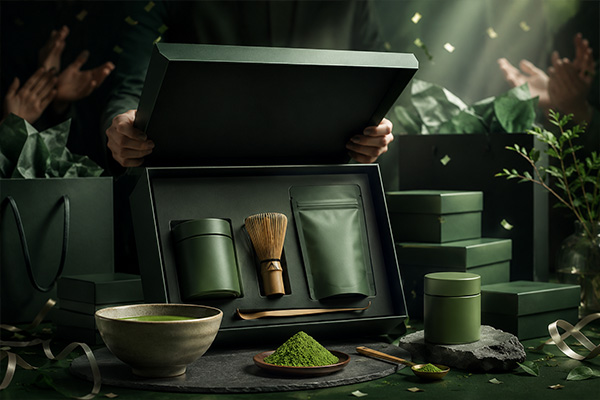
Private label matcha presents a significant opportunity for brands looking to differentiate themselves in the growing green tea and functional beverage market. But a successful launch is not just about sourcing high-quality powder—it’s about developing a product that resonates with your audience, stands out on the shelf, and delivers repeat purchases.
This guide provides a step-by-step strategic approach for brand owners to launch a private label matcha product with commercial viability and market appeal.
Why Private Label Matcha is a Strategic Opportunity
Matcha’s popularity is expanding beyond cafés into home beverage routines, wellness, and retail. Brand owners can capitalize on this trend by offering products that combine convenience, taste, and visual appeal.
Opportunities for brand owners:
- Access to a premium ingredient without in-house production
- Launch products under your own brand quickly
- Target multiple consumer segments: wellness, plant-based, e-commerce, café-style
- Build a product line with potential for scaling across SKUs
- Differentiate from competitors by product story, taste, or format
Note: Success depends on clarity of positioning, not just the grade or price of matcha.
Define Your Brand Identity Before Sourcing
Before selecting a supplier or packaging, define who your product is for and why it exists.
Key Brand Considerations:
- Target audience: Health-conscious consumers, café-at-home users, premium tea drinkers, wellness-focused buyers
- Brand story: Sustainability, origin, quality, or functional benefits
- Tone of voice: Clean-label, premium, approachable, or educational
- Unique Selling Proposition (USP): What makes your matcha brand different?
Example Brand Positioning Approaches:
| Brand Type | Product Focus | Messaging Angle |
|---|---|---|
| Premium Tea Brand | Ceremonial-grade matcha | Taste, ritual, luxury |
| Café-at-Home Brand | Latte-grade matcha | Convenience, smooth milk compatibility |
| Wellness Brand | Organic matcha | Clean-label, functional benefits |
| E-Commerce Starter Brand | Latte or culinary matcha | Easy-to-use, trial packs, subscription-ready |
A clear brand identity informs SKU selection, packaging, marketing strategy, and target price points.
Select Your First Product Strategically
Launching multiple SKUs at once can increase risk and complexity. Start with one strong product that aligns with your brand identity.
Factors to consider for the first SKU:
- Product format: pouch, tin, sachet, or starter kit
- Matcha grade: latte, culinary, ceremonial, organic
- Net weight: 50g–100g for e-commerce, 500g–1kg for café or foodservice
- Price point: aligns with brand positioning and customer expectations
- Ease of use: clear instructions for preparation
First SKU Example:
- 100g latte-grade matcha pouch for at-home lattes
- Smooth taste, easy to use, clear instructions
- Visual design reflects brand story
Starting with a single SKU allows you to validate the product with early customers and refine your brand strategy before expanding your lineup.
Build Product Differentiation
Differentiation is essential to avoid competing purely on price. Focus on elements that create perceived value:
a. Usage Scenario
Define how and where customers use your matcha:
- Daily latte at home
- Premium ceremonial tea
- Smoothies or functional beverages
- Baking and desserts
- Café-inspired drinks
b. Taste Profile
Matcha can vary in umami, bitterness, and aroma. Choose a profile that aligns with your brand:
- Smooth and mellow
- Strong and grassy
- Balanced for milk or plant-based beverages
c. Preparation Experience
Clear instructions, portion control, and suggested recipes improve customer experience and repeat purchase.
d. Packaging Format
The format itself communicates value:
- Tin → premium or gift-oriented
- Pouch → everyday use
- Sachets → convenience
- Starter kit → beginner-friendly or subscription
e. Education
Provide educational content for customers:
- How to prepare matcha correctly
- Best pairings with milk or plant-based alternatives
- Flavor tips and recipes
f. Channel Fit
Match packaging and messaging to your distribution channel:
| Channel | Focus |
|---|---|
| E-commerce | Clear instructions, strong photography, subscription bundles |
| Café retail | Café-style presentation and packaging |
| Organic retailers | Certifications and clean-label messaging |
| Premium tea shops | Storytelling, ceremonial experience, gift packs |
| Distributors | Scalable pack sizes, reliable supply |
Product Ideas by Brand Type
Premium Tea Brands
- Ceremonial tin or pouch
- Matcha tasting sets
- Limited harvest matcha
- Upsell premium products
Café-at-Home Brands
- Latte-grade matcha pouch
- Starter kit with scoop and whisk
- Sachets for single-serve convenience
Wellness and Clean-Label Brands
- Organic matcha pouch
- Superfood blends with other functional ingredients
- Daily matcha sachets
E-Commerce Starter Brands
- Small format 50–100g pouch
- Beginner kits for at-home use
- Subscription-ready packaging
Validate Your Product Before Bulk Ordering
Before committing to bulk matcha, test the product under real conditions:
- Taste in intended beverage or formula
- Color stability in milk, plant-based milk, or blended drinks
- Texture and dissolution
- Packaging usability
- Shelf-life and storage behavior
Testing reduces risk and ensures the product meets both brand and consumer expectations.
Launch Strategy
Phase 1: Pilot Launch
- Limited quantity for initial market testing
- Gather customer feedback on taste, color, and preparation
- Adjust packaging, instructions, or formula if needed
Phase 2: Marketing and Education
- Social media, influencer campaigns, tutorials
- Clear product story emphasizing USP and preparation
Phase 3: Scale and Expand
- Introduce additional SKUs based on feedback
- Launch larger packaging or starter kits
- Consider retail or café distribution
Avoid Common Mistakes
- Overcomplicating SKUs: Focus on one strong product initially
- Copying competitors: Build a unique positioning, not just colors or claims
- Pricing solely on cost: Consider perceived value, preparation experience, and repeat purchase potential
- Neglecting education: Customers need guidance to enjoy matcha
- Ignoring supply consistency: Ensure repeatable quality and batch reliability
How MatchaOEMFactory Supports Brand Owners
We provide comprehensive support for private label matcha brand launches:
- Grade recommendation (latte, ceremonial, culinary, organic)
- Bulk matcha samples for real product testing
- Custom packaging options (pouch, tin, sachet, kit)
- COA, specification, and compliance documentation
- MOQ planning and repeat-order support
- Product line strategy advice
- Pilot batch support for market testing
FAQ
Q: What grade is best for a first private label matcha product?
A: Latte-grade matcha is ideal for milk-based drinks and broad audience appeal. Ceremonial grade is best for premium or gift SKUs.
Q: How many SKUs should I launch initially?
A: One strong, well-tested SKU is better than launching multiple untested products.
Q: Do I need organic certification?
A: Only if your target audience expects organic or clean-label products. Certification ensures you can legally use the claim.
Q: How do I differentiate my product in a crowded market?
A: Focus on taste profile, preparation experience, packaging design, customer education, and brand story rather than competing on price alone.
Ready to Launch Your Private Label Matcha Brand?
A successful private label matcha launch combines clear positioning, strategic SKU selection, product testing, effective packaging, and reliable supply.
MatchaOEMFactory supports brand owners with grade selection, sample testing, private label packaging, documentation, and repeat-order supply to help you launch a market-ready matcha product efficiently.