

Matcha bio pour les grandes marques de l'alimentation et des boissons
Organic Matcha for Premium Food & Beverage Brands Organic matcha is not only a certified ingredient. For premium food and beverage brands, it can…
Read GuideExplore practical guides, technical resources, and buyer FAQs covering matcha grades, sample evaluation, supplier approval, quality documents, private label development, packaging, and bulk purchasing.
Start with the commercial decision you need to make, then move to the most relevant guide, product page, or technical resource.
Compare ceremonial, latte, culinary, ingredient, organic, flavored matcha, and hojicha by final application.
Explore ResourcesCompare color, aroma, taste, milk compatibility, processing performance, dosage, and commercial cost.
Explore ResourcesReview COA, specifications, testing reports, certifications, traceability, and repeat-supply capability.
Explore ResourcesUnderstand product direction, packaging, MOQ, artwork, sampling, and commercial production planning.
Explore ResourcesUse these guides to narrow product options, prepare a better sample brief, and review a supplier beyond the unit price.
Organic Matcha for Premium Food & Beverage Brands Organic matcha is not only a certified ingredient. For premium food and beverage brands, it can…
Read Guide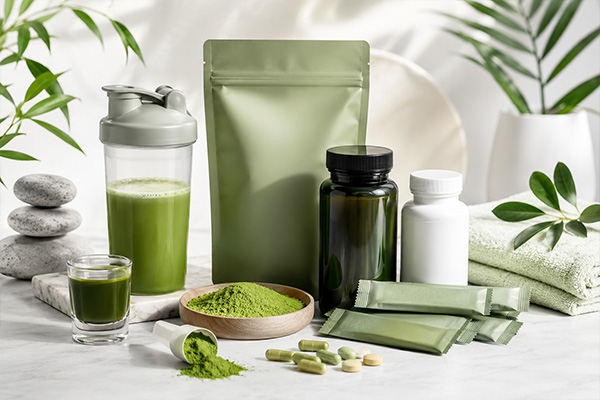
Matcha is becoming an attractive ingredient for supplement and wellness brands because it connects naturally with modern consumer interests: plant-based routines, clean-label products, natural…
Read Guide
For distributors, matcha can become more than a single wholesale product. With the right portfolio structure, it can serve cafés, retailers, bakeries, food manufacturers,…
Read Guide
Wholesale matcha is becoming a practical growth opportunity for importers and distributors serving cafés, beverage shops, food manufacturers, retailers, wellness brands, and private label…
Read GuideEach topic groups related product, quality, sourcing, packaging, and supply-chain information for commercial buyers.
Supplier selection, pricing, MOQ, samples, purchasing questions, and commercial approval.
Explore TopicCOA, pesticide residues, heavy metals, microbiology, color, particle size, and batch review.
Explore TopicHow different matcha products perform in tea service, lattes, food, formulations, and retail.
Explore TopicOEM routes, formula direction, tins, pouches, sachets, artwork, storage, and launch planning.
Explore TopicImport planning, logistics, inventory, price position, documentation, and repeat supply.
Explore TopicReview the documents, packaging, product options, pricing factors, and logistics information needed before commercial approval.
Review batch values, pesticide testing, heavy metals, microbiology, and third-party reports.
Understand certification scope, validity, operator details, product coverage, and market claims.
See the factors that shape grade pricing, sample decisions, and commercial cost.
Compare commercial product directions before requesting a focused sample shortlist.
Plan bulk bags, tins, pouches, sachets, barrier needs, storage, and shelf-life protection.
Compare export terms, freight routes, shipment documents, and delivery responsibilities.
Review direct answers about grades, samples, MOQ, quality documents, private label packaging, and international supply.
Latte performance depends on the milk or beverage base, dosage, target color, tea intensity, serving cost, and preparation method. Compare samples in the recipe you will actually sell.
Our standard bulk matcha MOQ starts from 10 kg per grade. Private label packaging, custom formulas, and printed materials may require different minimum quantities.
Yes. Share the application, destination market, target quantity, sensory direction, and cost position so the sample shortlist reflects the commercial project.
Depending on the selected product and project, buyers can review specifications, batch COA, pesticide residue, heavy metal, microbiological, certification, and traceability documents.
Certified organic and private label routes are available for selected products and projects. Certification scope, formula, packaging, MOQ, and destination requirements must be confirmed before approval.
Test all samples under controlled conditions and compare the finished product, not only dry powder color. Review sensory performance, processing fit, dosage, documents, supply terms, and target cost together.
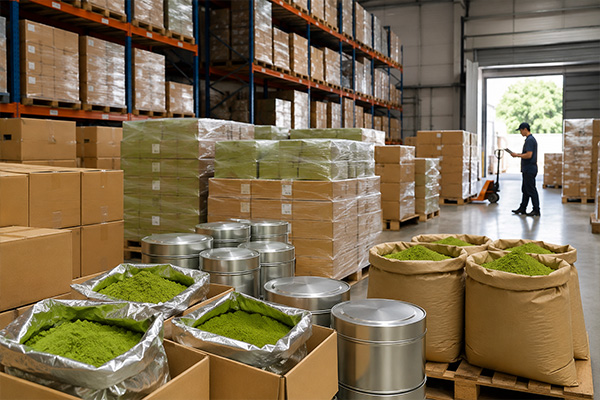
For distributors and wholesalers, matcha is not just a trending ingredient. It can become a repeatable B2B product category that serves cafés, beverage shops,…
Read Guide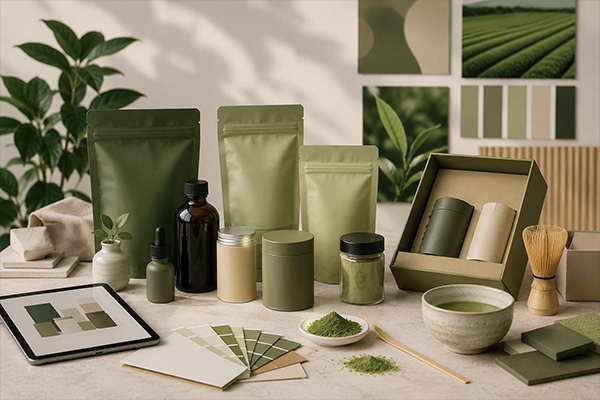
A strong matcha brand is rarely built from one random product. For many brand owners, the bigger opportunity is to build a clear product…
Read Guide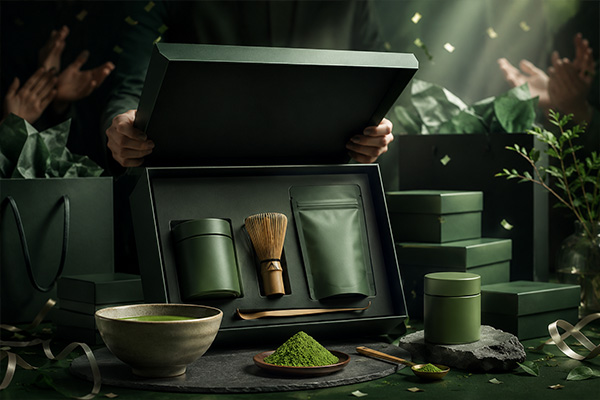
Private label matcha presents a significant opportunity for brands looking to differentiate themselves in the growing green tea and functional beverage market. But a…
Read GuideShare your application, destination market, estimated quantity, target cost, and required documents. We’ll recommend the most relevant product and next step.